

Did You Know These NFL Players Suffer With Hearing Loss?

November 15, 2021
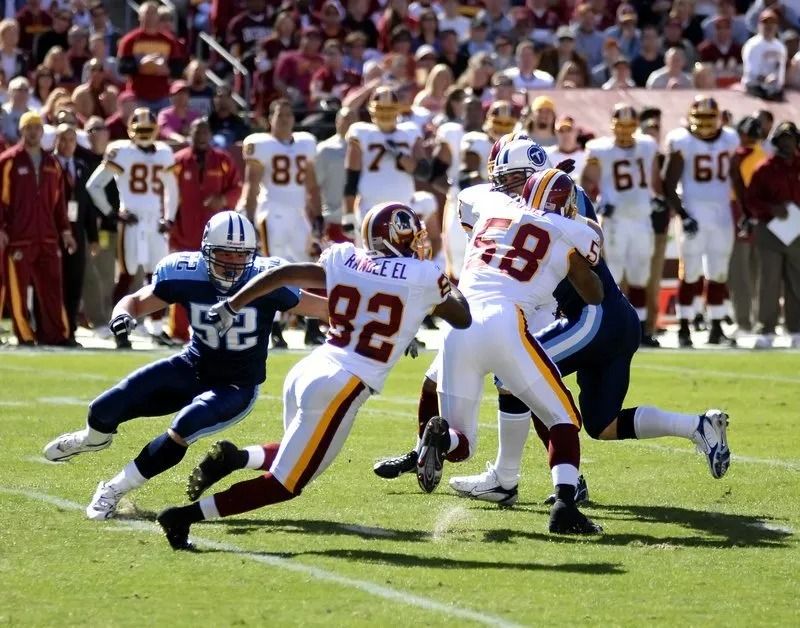
A football player with the number 92 on his jersey

Arizona Cardinals’ Derrick Coleman, Dallas Cowboys’ Flozell Adams, and Washington Redskins’ Reed Doughty.


So, did you know that they’ve all got a hearing loss?


Even if you’re an NFL super-fan, it wouldn’t be surprising if you didn’t know that these players have a hearing loss. Their hearing ability isn’t what gets talked about most of the time – it’s their skill on the field.

That’s because their hearing loss isn’t an impediment to their athletic success. They’ve adapted to their hearing loss with help from family, friends, colleagues, and, most importantly, professionals who are highly trained to deal with all hearing health issues, namely Audiologists.


From a hearing loss to NFL stardom

For Coleman and Doughty, having a hearing loss has been a part of their lives since childhood. Coleman was diagnosed when he was just four years old and has been using hearing aids since he was in school. He went on to shine as a fullback for the Seattle Seahawks before joining the Arizona Cardinals.


Doughty also knew he had hearing issues early on and found different ways of coping as an adult, including lip reading. His hearing loss wasn’t public knowledge when he was drafted to the Washington Redskins, but after getting hearing aids and experiencing their life-changing effects, Doughty has become an advocate for using hearing aids.

It was well known that Adams couldn’t hear much in his right ear when he got drafted, but he nonetheless went on to be one of only a few offensive linesmen to be selected for the Pro Bowl five times back in 2003, 2004, and 2006-2008.


The sounds of the stadium

Adams, Coleman, and Doughty are no strangers to the roar of the crowd in stadiums across the country. But did you know that roar can get so loud that it can actually damage your hearing? Anything louder than 85 decibels can be trouble for your ears and your average NFL game clocks in at around 90 decibels. With the Super Bowl just around the corner, the screams and shouts are certain to get pretty loud.


Enjoy the game

If you’re lucky enough to be going to the big game in Atlanta this February, then make sure you enjoy the game without doing any damage to your hearing. Use earplugs or ear defenders to protect your hearing health. Even once the excitement of the Super Bowl is over, it’s a good idea to keep these on you whenever you go to a game.


As for those hangouts at home around the football, whether it’s this February’s Super Bowl or the Thanksgiving games, keep an eye on the noise levels then too. Check that the TV volume is at a reasonable level so that your friends and family don’t have to shout over it whenever they’ve got an opinion about the call the referee just made.


Get a helping hand

Even sporting superstars Coleman, Adams, and Doughty needed to get professional help with their hearing health. So there really is no reason to feel embarrassed about asking the professionals for a helping hand with your hearing.


At Johnson Audiology, our Audiologists are here to help you enjoy all the sounds the world has to offer, from cheering at the Super Bowl to laughing with friends and family. Click here to find your nearest Johnson Audiology hearing center in Tennessee or Georgia where you can have all of your hearing health needs met.

Recent Posts

woman listening at work
By Jan Hollingsworth February 23, 2026
Hearing loss does not just change how you hear the world—it can quietly change how you feel about yourself, eroding your confidence by degrees. Many people assume self-assurance arises from a person’s unique personality or maturity, but untreated hearing loss often plays a bigger role than we realize. If you have ever felt more hesitant, withdrawn, or unsure in social situations, your hearing may be part of the story. Here are five indicators that hearing loss may be affecting your confidence. 1. You Avoid Social Situations You Used to Enjoy If a meal out with friends, or an invitation to a family birthday gathering, or a group meeting at work now feel exhausting or stressful, you may find your declining invitations. When conversations become hard to follow, it’s natural to fear missing something important or responding incorrectly. Over time, avoidance can chip away at confidence and reinforce the feeling that social situations are “not for you anymore,” even though the real issue is hearing clarity—not ability or personality. 2. You Second-Guess Yourself in Conversations Do you often nod along, laugh when others laugh, or give vague responses because you’re not entirely sure what was said? This constant guessing can make you feel insecure and anxious. When you’re worried about misunderstanding others, it’s hard to speak up confidently or express your thoughts freely. 3. You Feel Fatigued After Talking or Listening Straining to hear requires intense concentration. By the end of the day, this listening fatigue can leave you mentally drained and less self-assured. When you are tired, confidence naturally dips—you may feel less articulate, less patient, and less willing to engage. This can lead to a cycle where you participate less, reinforcing feelings of self-doubt. 4. You Have Stopped Speaking Up at Work In professional settings, confidence is closely tied to communication. If you’ve noticed yourself staying quiet in meetings, avoiding phone calls, or hesitating to share ideas, hearing challenges could be the reason. Fear of mishearing instructions or responding incorrectly can hold you back, even when you’re highly capable and knowledgeable. In fact, hearing loss has even been linked to a person’s earning potential and ability to advance professionally. 5. You Feel Isolated or “Left Out” One of the most subtle but impactful effects of hearing loss is emotional distance. When conversations move quickly or occur in noisy environments, it is easy to feel disconnected. Over time, this can lead to loneliness and the belief that you don’t belong, which directly undermines confidence and self-esteem. As time passes and hearing loss goes unaddressed, your brain may rewire itself both physically and functionally as a way of compensating, which can potentially affect your cognition and increase your risk for dementia.  The Good News: You Can Re-harness Your Confidence Hearing loss doesn’t have to define how you feel about yourself. With proper evaluation, treatment options, and support, many people report feeling more engaged, capable, and confident again. Addressing hearing loss is not just about sound—it’s about reconnecting with conversations, relationships, and tapping into the most confident version of yourself.
Woman holding phone, showing purple urn with floral design to a man in a black shirt. They stand near a window.
December 10, 2025
A touching story of how a donated pair of hearing aids connected Diane, her late sister Denise, and Tyler through the Johnson Audiology Hearing Foundation.
a
August 7, 2025
Explore your hearing care options and learn why audiologists at Johnson Audiology are your best choice for expert, personalized hearing health.
woman listening at work
By Jan Hollingsworth February 23, 2026
Hearing loss does not just change how you hear the world—it can quietly change how you feel about yourself, eroding your confidence by degrees. Many people assume self-assurance arises from a person’s unique personality or maturity, but untreated hearing loss often plays a bigger role than we realize. If you have ever felt more hesitant, withdrawn, or unsure in social situations, your hearing may be part of the story. Here are five indicators that hearing loss may be affecting your confidence. 1. You Avoid Social Situations You Used to Enjoy If a meal out with friends, or an invitation to a family birthday gathering, or a group meeting at work now feel exhausting or stressful, you may find your declining invitations. When conversations become hard to follow, it’s natural to fear missing something important or responding incorrectly. Over time, avoidance can chip away at confidence and reinforce the feeling that social situations are “not for you anymore,” even though the real issue is hearing clarity—not ability or personality. 2. You Second-Guess Yourself in Conversations Do you often nod along, laugh when others laugh, or give vague responses because you’re not entirely sure what was said? This constant guessing can make you feel insecure and anxious. When you’re worried about misunderstanding others, it’s hard to speak up confidently or express your thoughts freely. 3. You Feel Fatigued After Talking or Listening Straining to hear requires intense concentration. By the end of the day, this listening fatigue can leave you mentally drained and less self-assured. When you are tired, confidence naturally dips—you may feel less articulate, less patient, and less willing to engage. This can lead to a cycle where you participate less, reinforcing feelings of self-doubt. 4. You Have Stopped Speaking Up at Work In professional settings, confidence is closely tied to communication. If you’ve noticed yourself staying quiet in meetings, avoiding phone calls, or hesitating to share ideas, hearing challenges could be the reason. Fear of mishearing instructions or responding incorrectly can hold you back, even when you’re highly capable and knowledgeable. In fact, hearing loss has even been linked to a person’s earning potential and ability to advance professionally. 5. You Feel Isolated or “Left Out” One of the most subtle but impactful effects of hearing loss is emotional distance. When conversations move quickly or occur in noisy environments, it is easy to feel disconnected. Over time, this can lead to loneliness and the belief that you don’t belong, which directly undermines confidence and self-esteem. As time passes and hearing loss goes unaddressed, your brain may rewire itself both physically and functionally as a way of compensating, which can potentially affect your cognition and increase your risk for dementia.  The Good News: You Can Re-harness Your Confidence Hearing loss doesn’t have to define how you feel about yourself. With proper evaluation, treatment options, and support, many people report feeling more engaged, capable, and confident again. Addressing hearing loss is not just about sound—it’s about reconnecting with conversations, relationships, and tapping into the most confident version of yourself.
Woman holding phone, showing purple urn with floral design to a man in a black shirt. They stand near a window.
December 10, 2025
A touching story of how a donated pair of hearing aids connected Diane, her late sister Denise, and Tyler through the Johnson Audiology Hearing Foundation.